
Resilient Initiatives for Sustainable Environment (RISE) Phase II: 2025 - 2028
Project Summary
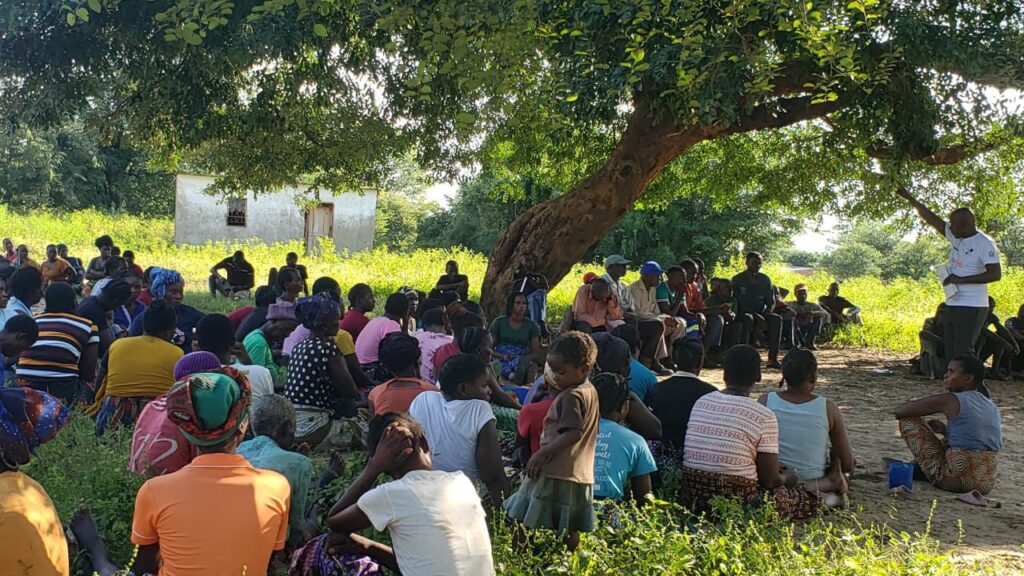
The Resilient Initiatives for Sustainable Environment (RISE Phase II) is a three-year follow-on project of the RISE I, targeting Sinazongwe District (Southern Province) and Serenje District (Central Province), Zambia. The RISE Phase II project is an initiative funded by Bread for the World (BftW) Germany. The project runs from December 2025 to November 2028. It builds directly on the achievements, lessons learned, and community networks established during RISE Phase I (2022–2025) and the preceding Mining Community Voices and Alternative Livelihood Preparedness Project (MCVALP, 2021–2022).
The Project Focus of RISE Phase II integrates environmental advocacy and governance with practical, community-driven livelihood development and climate-resilient food systems innovation. It specifically targets the interconnected challenges of mining-induced environmental degradation (coal in Sinazongwe and manganese in Serenje), climate-driven food insecurity (erratic rainfall, dry spells, and up to 40% yield losses), and deep economic vulnerability in mining-affected communities. The project adopts a strongly gender-transformative and inclusive approach, prioritizing women, youths, people with disabilities, and vulnerable households.
What the Project Aims to Achieve
Through a multi-stakeholder strategy that combines structured dialogue, capacity building, and tangible infrastructure support, RISE Phase II seeks to:
- Drive measurable improvements in mining company compliance with key national regulations (2024 resettlement and compensation guidelines, Environmental Protection Fund contributions, and investment/EIA requirements).
- Increase public awareness and policy influence by making reliable information on mining-related environmental and social challenges widely available in the public domain.
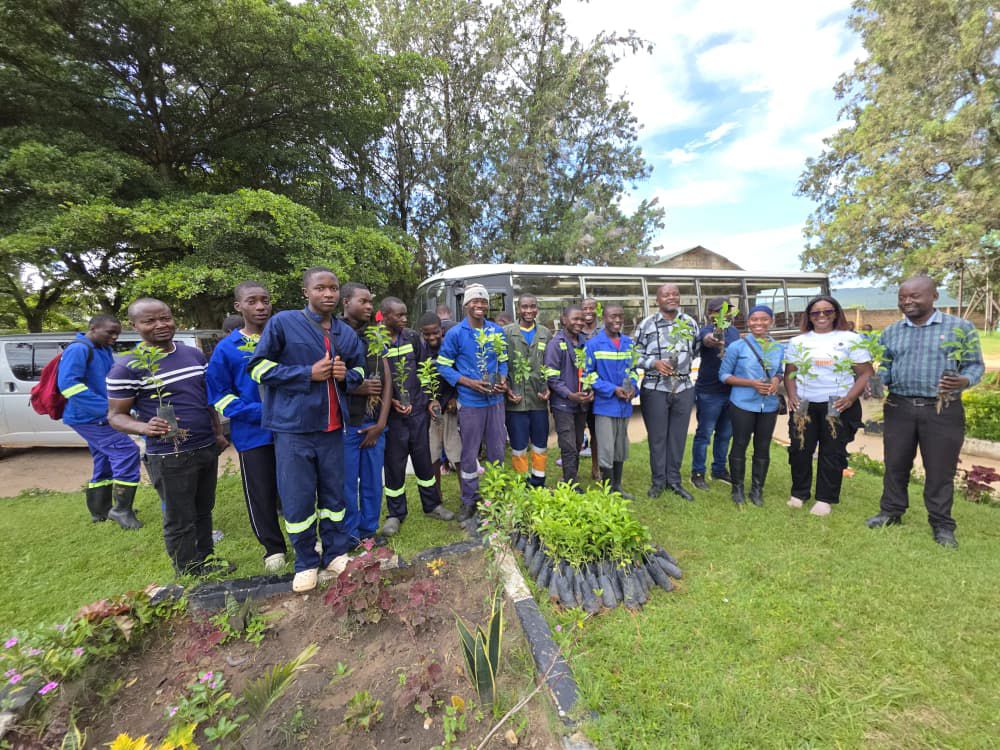
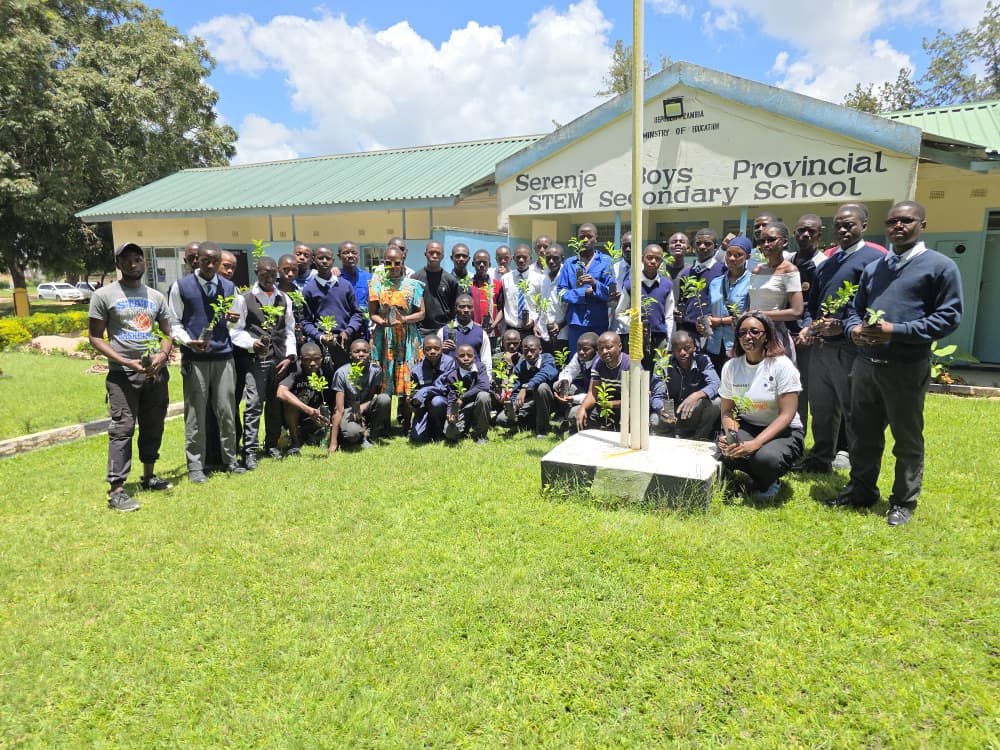
- Build long-term economic resilience by empowering mining communities to shift away from mining dependency through registered cooperatives, savings groups, seed grants, agroecology training, and climate-smart agriculture.
- Establish sustainable food systems that enhance household income, dietary diversity, climate resilience, and women’s decision-making power while reducing environmental risks.
Project Goal
Enhanced environmental sustainability, food security, and inclusive economic empowerment in the two project districts, with spillover effects on national policy and replication of successful models beyond the target areas.
Objectives
- Mining companies in Sinazongwe and Serenje Districts increasingly comply with mining and environmental regulations (resettlement & compensation guidelines, Environmental Protection Fund contributions, investment and EIA guidelines).
- Information on environmental and social challenges resulting from mining is available in the public domain.
- Increased capacity of mining communities to engage in sustainable livelihood activities.
Expected Results
By the end of the project (November 2027/2028), the following targets will be achieved (all baselines currently 0; final figures will be confirmed by the Q1 2026 baseline study):
Objective 1 – Mining Compliance
- All relevant mining companies fully comply with the 2024 resettlement & compensation guidelines.
- All relevant mining companies duly pay contributions to the Environmental Protection Fund.
- All relevant mining companies fully comply with investment and EIA Guidelines.
Objective 2 – Public Information & Policy Influence
- At least 3 different media outlets publish a total of 10 articles, posts or programmes.
- 3 policy briefs and 2 research studies published and disseminated.
Objective 3 – Community Livelihoods & Food Security
- 24 cooperatives (12 per district) and 36 savings groups (18 per district) fully registered and supported.
- 2 community solar-powered smart farms established and fully functioning.
These outcomes are expected to deliver measurable improvements in regulatory compliance, public awareness, household income, dietary diversity, climate resilience, and women’s decision-making power, while reducing dependence on mining and mitigating environmental risks.