Climate for Justice Communities Project: 2023 - 2026
Project Summary
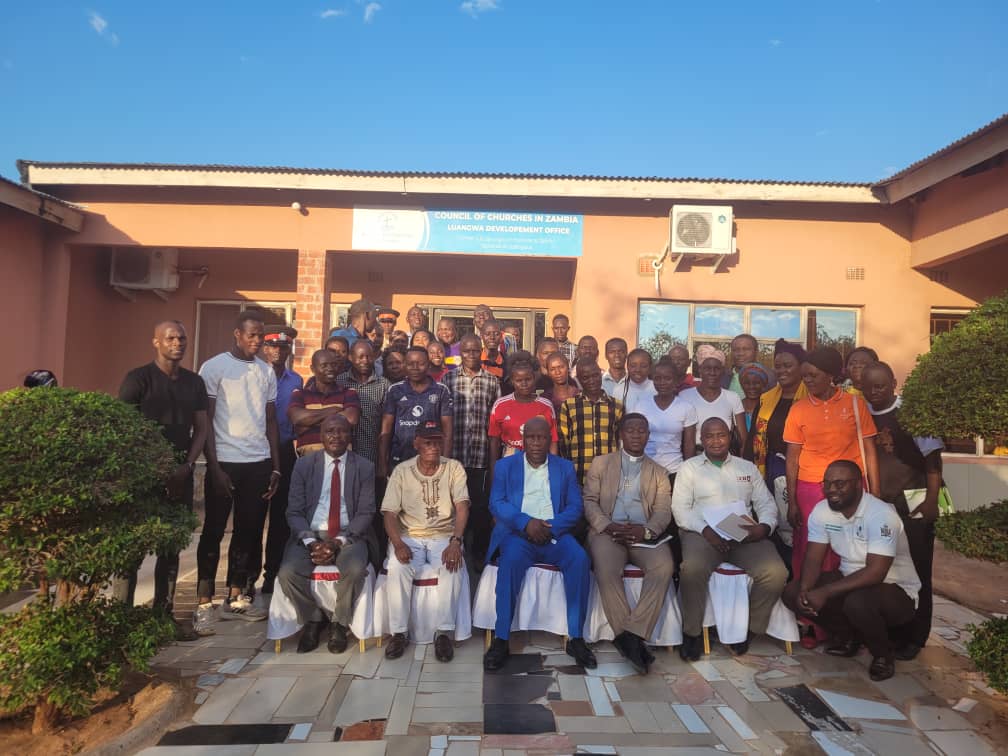
The Climate Just Communities Project, funded by the Scottish Government and led by NIRAS Zambia, aims to strengthen community resilience, inclusive climate governance, and equitable access to public resources in Luangwa District. The Council of Churches in Zambia (CCZ) serves as the lead implementing partner in Luangwa, while the Centre for Environment Justice (CEJ) provides specialized technical support on advocacy strategy, community mobilization, and accountability processes to sustain the project’s long-term impact.
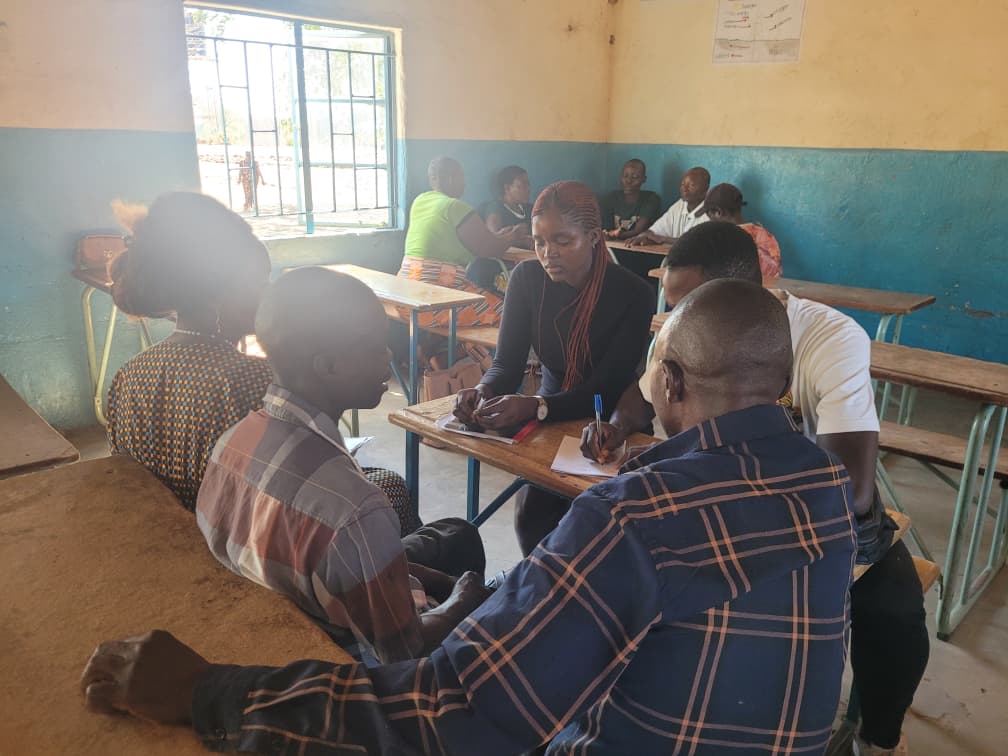
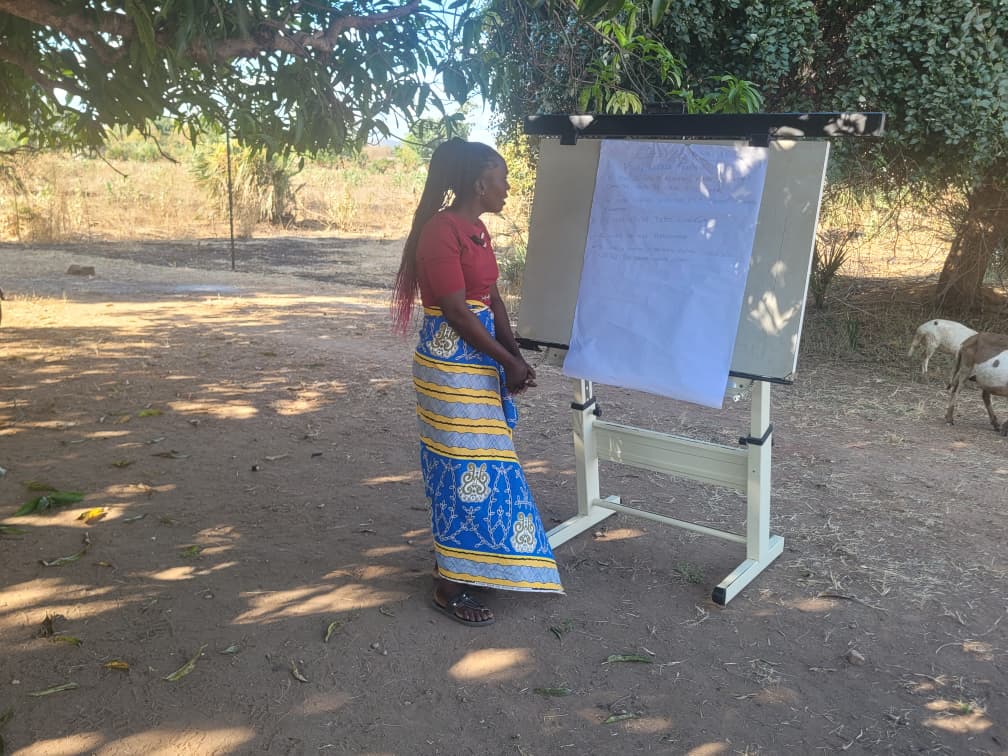
During its final year of implementation, the project focuses on enhancing community-led advocacy for inclusive climate financing, strengthening district-level climate governance platforms, and improving citizen participation in monitoring service delivery. It supports marginalized groups to access Constituency Development Fund (CDF) opportunities, facilitates climate change Indabas, builds the capacity of advocacy champions, conducts natural resource management awareness activities, strengthens sectoral dialogue spaces, and documents project learning through social media platforms. Monitoring, Evaluation, Accountability and Learning (MEAL) processes ensure continuous learning, accountability, and evidence generation.
Project Objective
Communities in Luangwa District actively participate in climate governance processes, effectively advocate for inclusive climate financing, and hold duty bearers accountable for responsive, transparent, and equitable service delivery.
Project Objective
A climate-just and inclusive Luangwa District where empowered communities influence decision-making, access equitable climate financing, and benefit from accountable and transparent local governance systems.
Expected Results
1. Inclusive Climate Financing Strengthened
- Barriers to CDF access for marginalized groups are reduced following sustained lobby events.
- At least 10 funded CDF projects benefit marginalized individuals or groups.
2. District-Level Climate Governance Enhanced
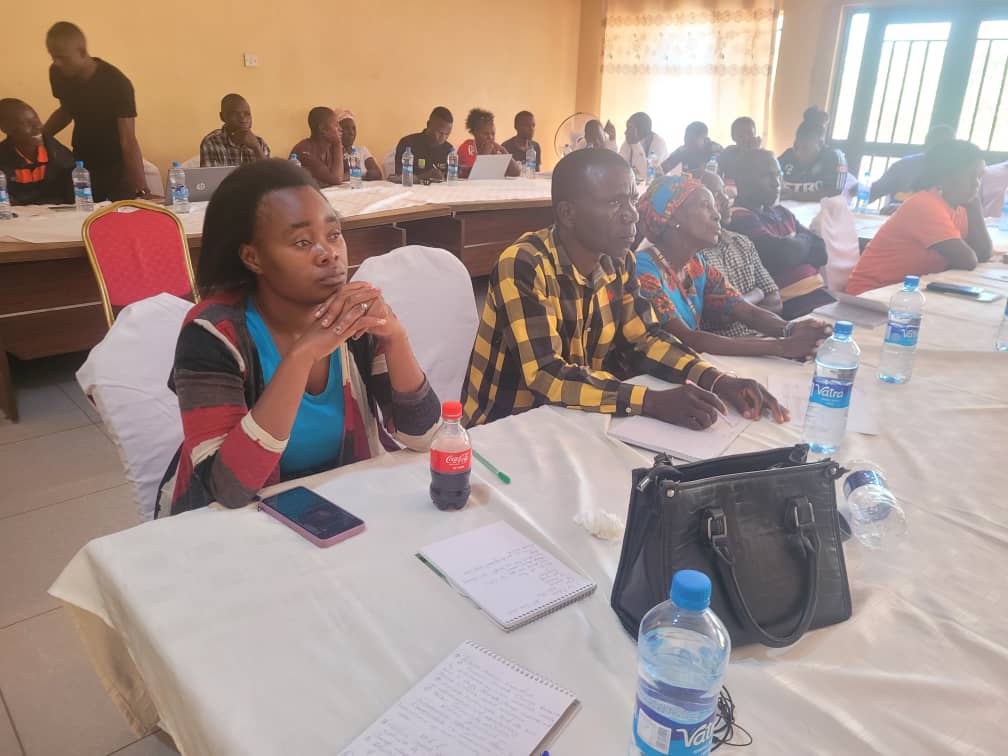
- Climate Change Indabas are held in Luangwa, bringing together 60 stakeholders to strengthen coordination, knowledge sharing, and collective action on climate issues.
3. Advocacy Leadership Improved
- Thirty advocacy champions previously trained in Luangwa are effectively engaging in at least 24 targeted advocacy issues, leading to improved citizen engagement and accountability.
4. Strengthened Sectoral Dialogue & Accountability
- District and community-level platforms regularly discuss the status of health, education, social protection, infrastructure, and agriculture service delivery.
- Three cluster-level dialogue meetings plus one district dialogue meeting enhance transparency and responsiveness of duty bearers.
5. Increased Awareness on Natural Resource Management (NRM)
- NRM awareness campaigns reach traditional leaders, community monitors, and stakeholders, promoting sustainable natural resource management and improved environmental stewardship.
6. Improved Learning, Visibility & Knowledge Sharing
- Learning products, including impact stories and community experiences, are developed and uploaded on social media platforms, enhancing knowledge sharing and public engagement.
7. Effective Monitoring, Evaluation, Accountability & Learning (MEAL)
- MEAL processes strengthen evidence-based decision making, support accountability mechanisms, and document lessons that enhance long-term sustainability of the Climate Just Communities approach.
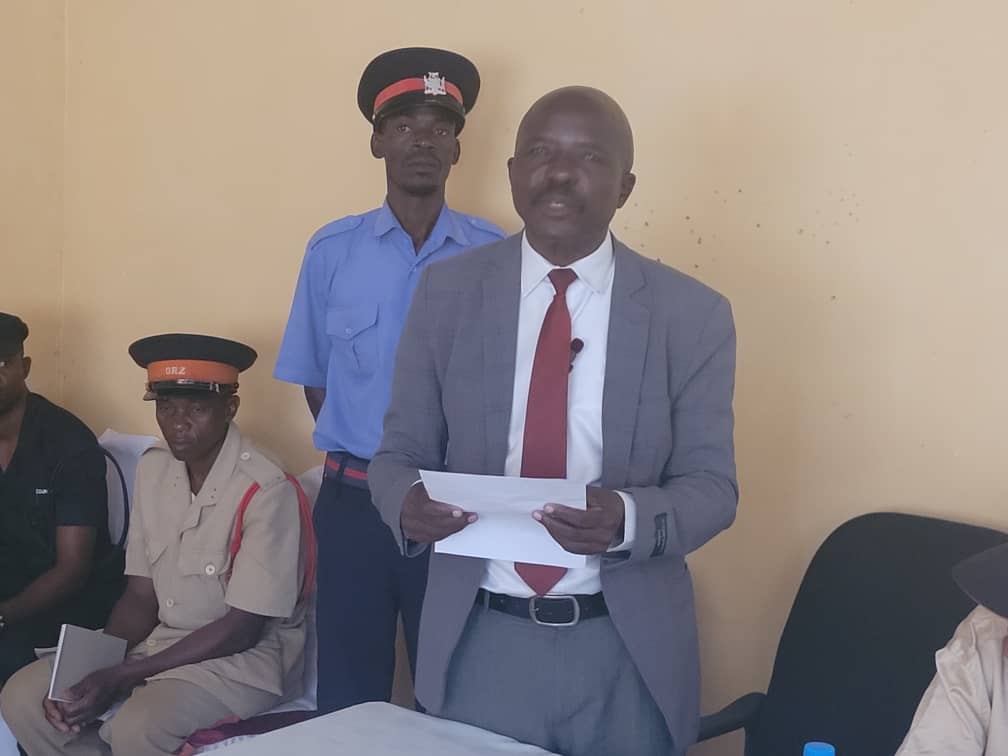
Strengthening Community Accountability: Post Climate Justice Indaba in Luangwa District
Empowering Community Voices: Advocacy Champions Strengthen Climate Action in Luangwa District