

Young Climate Voices for Resilience and Environmental Justice 2026-2027
Project Summary
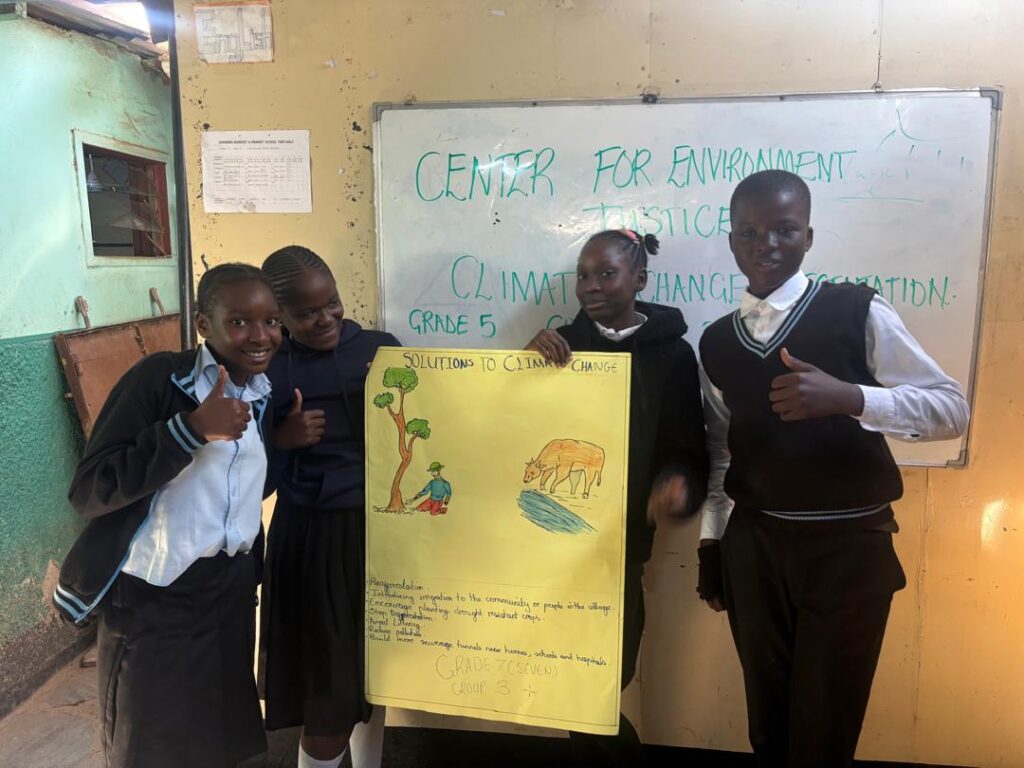
The Centre for Environment Justice (CEJ), in partnership with Terre des Hommes (TDH), is implementing a child- and youth-centered climate justice project called Young Climate Voices for Resilience and Environmental Justice in Siavonga District, Zambia.
Siavonga is highly vulnerable to climate change, experiencing droughts, erratic rainfall, floods, declining fish stocks, and environmental degradation. These climate impacts threaten livelihoods, increase poverty, and disrupt education, with children and youth, especially girls and young people with disabilities, being the most affected. Despite this, they are rarely included in climate decision-making processes.
Project Aim
This project seeks to empower children and youth as environmental leaders and advocates. Through school environmental clubs, youth climate action groups, safeguarding trainings, community dialogues, and advocacy platforms, the initiative will strengthen knowledge, amplify youth voices, and promote safe participation in climate governance.
Project Objectives
By combining climate education, safeguarding systems, and inclusive advocacy, the project aims to transform children and youth from passive victims of climate change into active agents of resilience and environmental justice.
- Build Climate Knowledge and Youth Leadership:
Empower children and youth through environmental clubs, targeted training on climate change and sustainability, and support for youth-led initiatives such as tree planting, waste management, and awareness campaigns. - Strengthen Child Safeguarding Systems:
Promote safe participation by developing safeguarding policies, training teachers and community leaders on child protection, and establishing confidential reporting mechanisms in schools and communities. - Advance Inclusive Youth Participation in Climate Governance:
Create platforms for dialogue and advocacy, support youth representation in decision-making forums, and facilitate meaningful engagement in environmental policy processes.
Expected Outcomes
- Increased knowledge and practical skills in climate action and environmental stewardship.
- Strong safeguarding systems in schools and communities
- Active youth-led initiatives implemented in schools and communities.
- Strengthened confidence and leadership among children and young people.
- Strengthen community resilience.