Lives Saved, Inequality Addressed, and Fostering Resilience for Transformation (LIFT) in Zambia: 2025 - 2029
Project Zambia
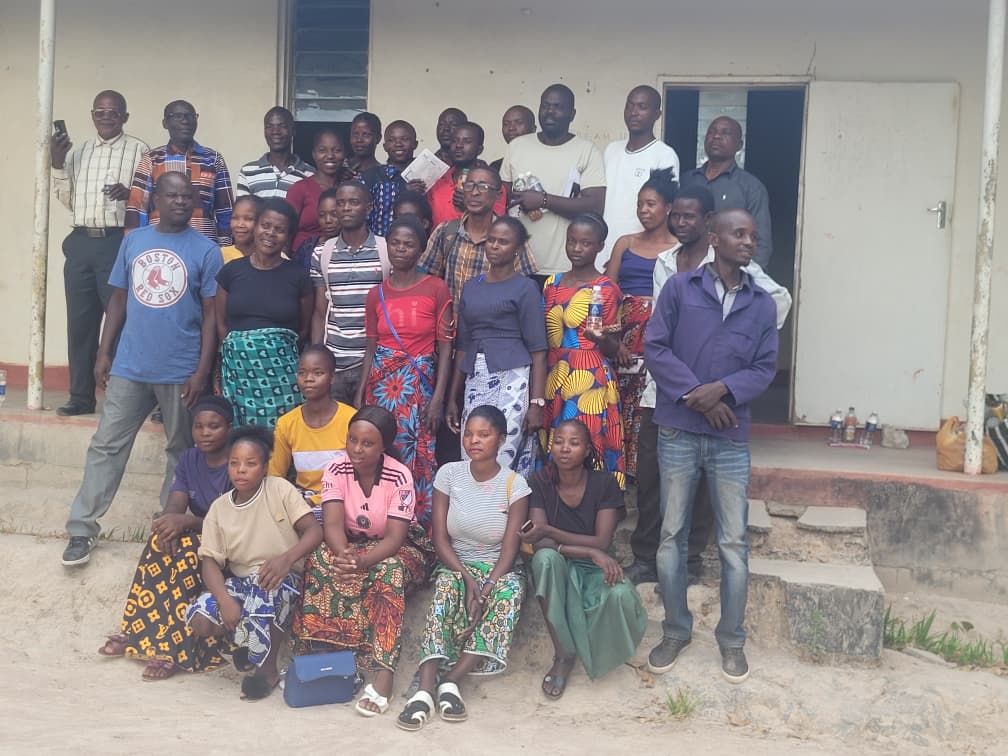
The Lives Saved, Inequality Addressed, and Fostering Resilience for Transformation (LIFT) in Zambia project is a five-year integrated climate resilience, environmental stewardship, and social justice initiative funded by Norwegian Church Aid (NCA) and DanChurchAid (DCA). The project targets Mumbwa in Central Province and Chifunabuli and Milenge in Luapula Province, areas characterized by high rural poverty, climate vulnerability, weak service delivery, environmental degradation, and limited economic opportunities.
The project seeks to improve the well-being, resilience, and rights of vulnerable communities especially women, girls, youth, and persons with disabilities—through community-led adaptation, sustainable natural resource governance, social and economic empowerment, and strengthened civil society advocacy. It combines climate action, disaster risk management, environmental protection, human rights monitoring, advocacy for accountable resource governance, and promotion of civic space.
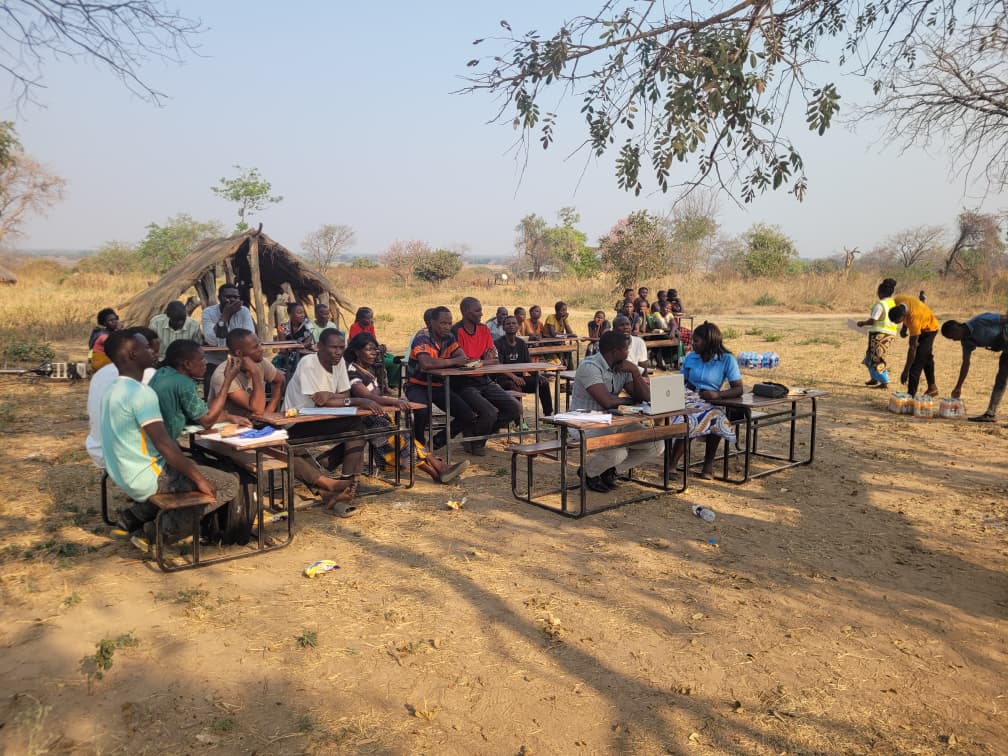
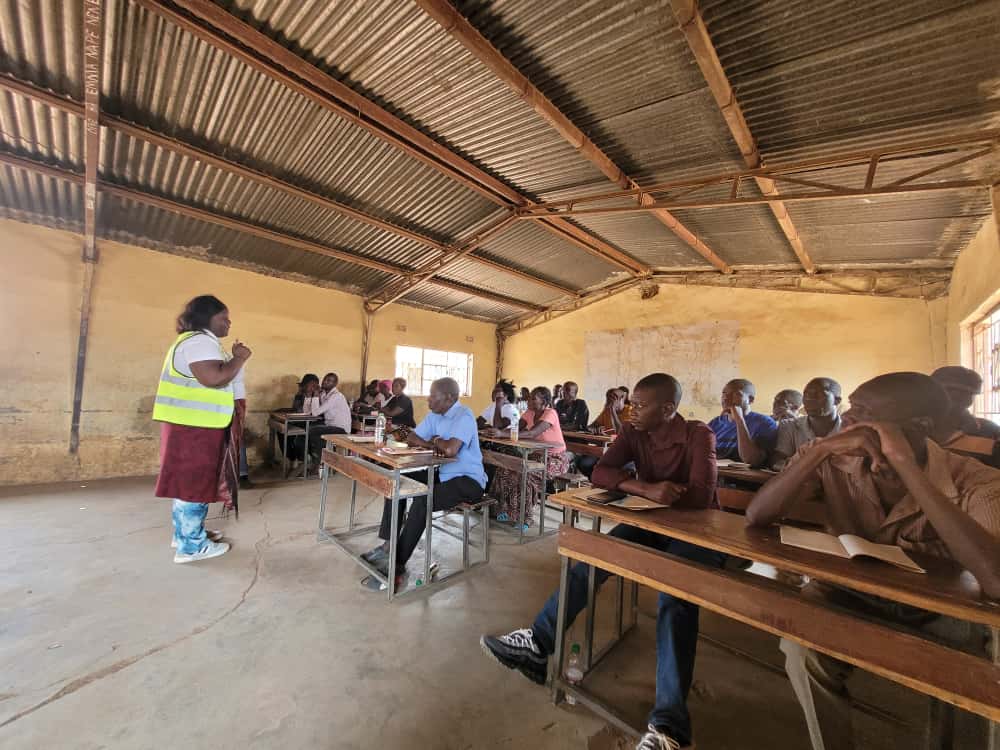
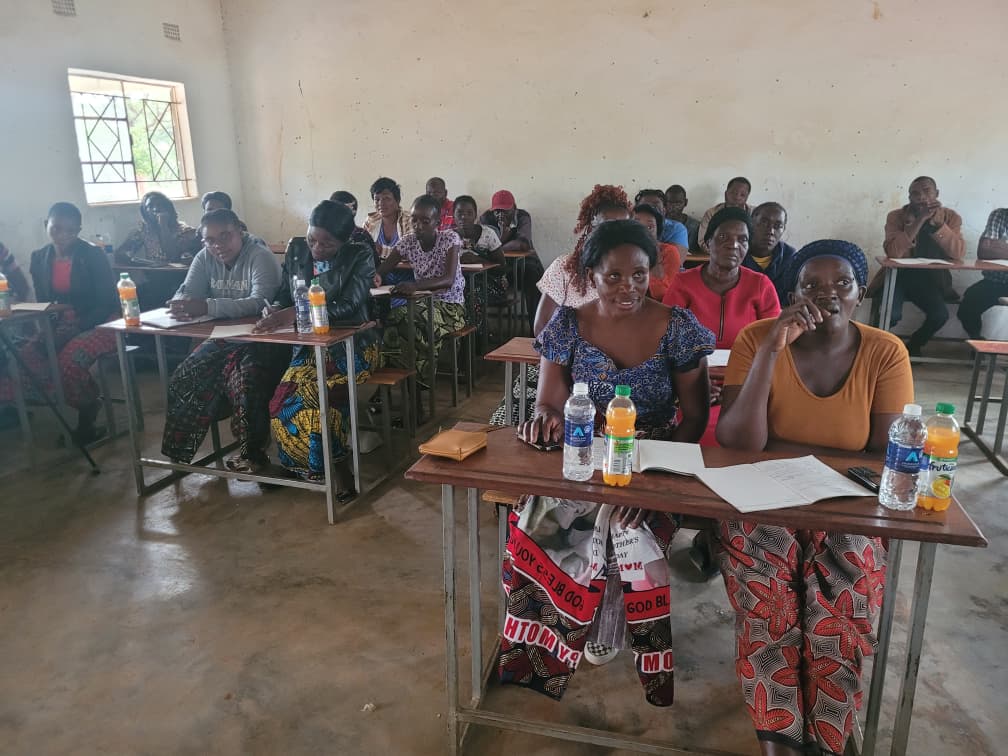
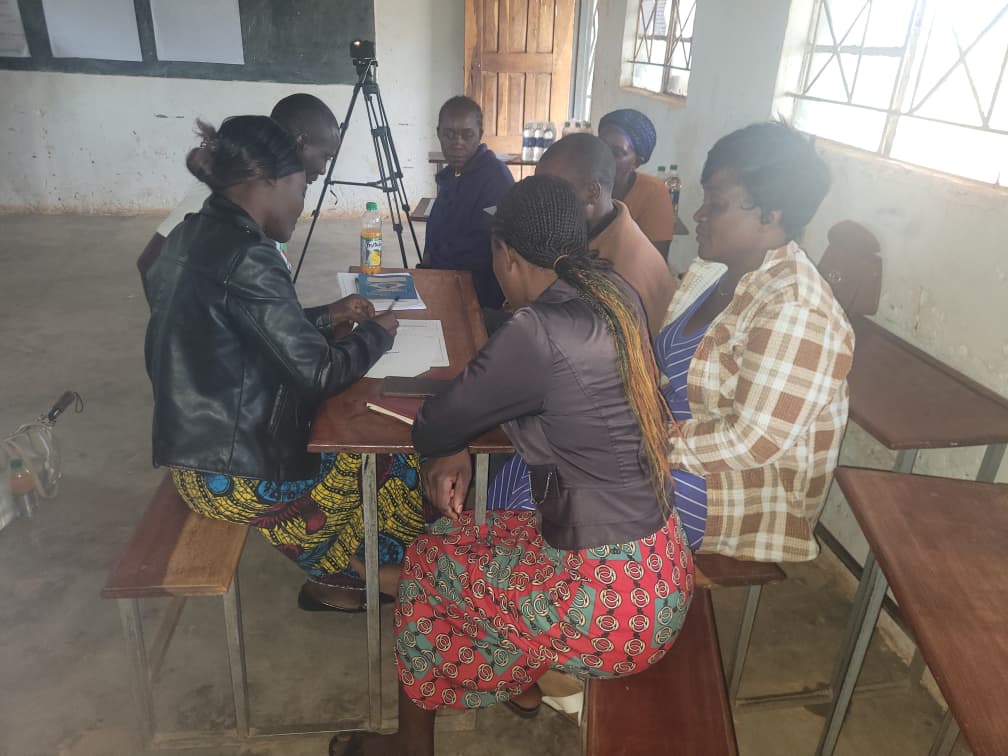
Through participatory approaches such as community resilience circles, community social auditors, natural resource governance structures, and strong collaboration with traditional leaders and local authorities, LIFT Zambia–CEJ will strengthen local capacities and systems to sustain development outcomes well beyond the lifespan of the project.
Overall Goal
Community resilience, local governance systems, and civil society capacities are strengthened, enabling communities in Mumbwa, Chifunabuli, and Milenge to effectively adapt to climate risks, protect their natural resources, and claim their rights and entitlements.
Project Objectives
To strengthen community capacity, local governance, and civil society systems so that communities in Mumbwa, Chifunabuli, and Milenge are able to adapt to climate risks, sustainably manage natural resources, access life-saving services, and effectively demand accountable and inclusive governance.
Expected Results
1. Strengthened Community Resilience & Disaster Preparedness
- Communities develop and operationalize disaster risk management plans.
- Early warning systems established at community level.
- Increased capacity to respond to climate shocks.
- Community-led adaptation and mitigation projects initiated.
2. Improved Access to Climate-Resilient WASH & Essential Services
- Enhanced water, sanitation, and hygiene infrastructure.
- Community members trained in climate-resilient WASH technologies.
- Improved water security and hygiene practices among vulnerable groups.
3. Sustainable Natural Resource & Environmental Governance Strengthened
- Community-managed conservation and restoration initiatives operational.
- Improved management of forests, fisheries, and land.
- Communities trained to monitor, report, and prevent environmental degradation.
- Stronger environmental rights awareness and legal redress mechanisms.
4. Increased Accountability in the Extractive Industry & Human Rights Protection
- Human rights impact assessments conducted in mining and natural resource sectors.
- Communities supported with legal assistance on land and environmental violations.
- Stronger oversight on EIAs, pollution, land acquisition, and mineral governance.
- Increased transparency in artisanal mining formalization processes.
5. Expanded Civic Space & Stronger Civil Society Voice
- CSO networks strengthened for collective advocacy.
- Local organizations trained in advocacy, digital activism, and policy engagement.
- Increased public participation in governance processes.
- Improved legal and policy environment for freedom of expression, association, and assembly.
6. Women, Youth & Persons with Disabilities Empowered
- Increased women’s leadership and participation in decision-making.
- Reduced GBV vulnerabilities and strengthened community-level support mechanisms.
- Youth engaged in climate action, environmental stewardship, and civic engagement.
- Inclusion of persons with disabilities across all program activities.
7. Community Structures and Local Systems Strengthened for Sustainability
- Functioning Community Resilience Circles in each ward.
- Community Social Auditors regularly monitoring service delivery and public resources.
- Stronger partnerships with traditional leaders and local authorities.
- Community resource governance structures institutionalized.